
Stop Leaving Money on the Table: How Your CRM Can Transform Your Marketing
Your business is sitting on a goldmine and you don’t even know it. Every interaction, every click, every form fill — your CRM has been quietly collecting the intelligence you need to market smarter. The question isn’t whether the data is there. It’s whether you’re using it.
CRM is the cost of entry into a modern market — try running a business without one. But a CRM is more than just a digital filing cabinet. It’s a way for you to access, understand, and monetize customer data you already own.
The Data Gold Rush
Data on its own is useless. For data to be effective, it needs to be collected, stored, and harnessed in a way that becomes valuable with minimal maintenance. Raw data alone tells you nothing. What matters is what you do with it — turning scattered data points into wisdom you can act on.
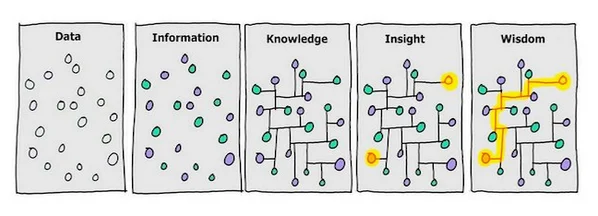
For example, having all the names of anybody showing interest in your business over the last eighteen months can be helpful. But how about knowing who was just browsing, who is ready to buy, or even who is ready to buy AND checked two or three other boxes critical for making a sale?
By better understanding your data and working smart, you can ensure the right messaging gets to the right people at the right time — without labour-intensive or prospect-annoying processes. Targeting has also become more sophisticated, meaning ads are now less interruptive and more informative. So sophisticated, in fact, that we now take for granted the quality of ads we get served in our social feeds and YouTube videos.
The Old Ways Don’t Work Anymore
Contemporary digital marketing has changed dramatically over the past 20 years. GDPR, privacy regulations, savvy prospects, and even huge corporations like Apple redefining data mining have all had a profound impact.
Sound familiar? Buying data lists. Mass emails with misspelt names. Cold calls nobody consented to. Spam texts from numbers you don’t recognise. You’ve probably received at least one this week.
And we’re not talking about the occasional “Hi {first name}” greeting mistake every marketer dreads sending. We’re talking about the data-scraping, privacy-invading, industry-shaming practices that gave us all a bad name.
Any company relying on these practices today would seem ancient by comparison. But the uncomfortable truth is many businesses STILL market like this.
But why? Malicious intent? Greed? Lack of caring?
In most cases, it’s none of the above. It’s the opposite. Many companies are so excited to get their message out there, they forget the blend of science and craft that goes into great marketing. They forget they already sit on a goldmine of prospect data offering powerful insights into behaviour, habits, and desire.
Say hello to the Customer Relationship Management (CRM) system.
A CRM holds the data of your customers. It can be as simple as a spreadsheet or as powerful as a constantly evolving AI-driven single source of truth. And when used correctly, a CRM has the power to drive more revenue and delight prospects at every stage of the buying journey.
Why You Need to Leverage Your CRM for Experience-Driven Marketing
The marketers who get ahead today are hyper-focused on the customer experience. Experience-driven marketing puts your customers at the center of everything you do.
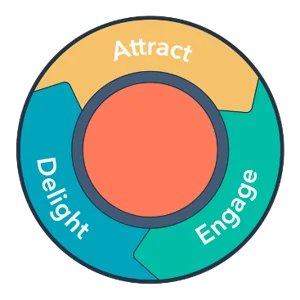
When focused on the customer experience, marketing attracts and feeds into sales. Sales engages and feeds into service. Service delights and feeds back into marketing. And the engine that keeps it all connected? Your CRM.
Leveraging your CRM is the secret to experience-driven marketing. And it’s not just a buzzword — it’s your path to real growth. Forrester research found that companies focused on experience grew 40% faster and increased customer lifetime value by more than 60% versus those who weren’t.
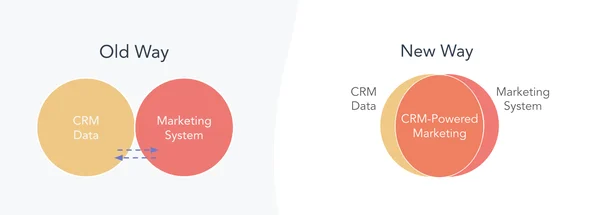
Very few marketers have all of their tools and tactics tightly integrated into a CRM — which often leads to disjointed customer experiences, siloed data, and an inability to know what’s working.
This is why the smartest marketing teams are investing in tightly integrating their tools with their CRM — giving them a unified view of the customer journey, the ability to personalise at scale, and a clear way to measure what’s actually working.
A CRM Helps You Personalize Your Marketing Offers
Rooting your marketing in a CRM lets you create personalised experiences across every channel. Personalisation continues to be the holy grail for delivering a great experience. In this hyper-competitive environment, it’s harder than ever to win attention — and the more you personalise, the greater your chances are of being noticed.
What does real personalisation look like? It’s when the content on your site changes to recommend articles your visitor hasn’t read yet. Or when a visitor has shown interest in one topic, so you show them a related offer. Or when your chatbot remembers not only their name, but who their sales rep is. All of this is possible through CRM-driven marketing.
The Three Paths to CRM Success
So what does good CRM-powered marketing actually look like? It comes down to three things:
- Segment — ensure prospects hear a message suited to their needs
- Contextualise — explain in clear terms why it’s useful
- Personalise — make them feel valued and understood
Segment
The average consumer is bombarded by promotional messaging and sees anywhere between 4,000–10,000 advertisements per day.
Think about the last time you were relaxing and browsing on your phone — doing a bit of online shopping, checking social media, reading the news. How many irrelevant adverts did you see?
“Today only — 50% off all organic aloe vera & chilli peanut butter cups!”
“Door, doors, doors! Get your doors from Acme Doors!! Big doors, small prices!”
“Crypto, something or other.”
We bet this week alone you’ve closed down at least one web page because the advertising ruined the experience for you. But there’s a bigger danger for marketers lurking in the shadows than angry prospects. Something much scarier: Apathy.
When your messaging has no direct relevance to someone’s life at that moment, they’ll tune out completely. This is why a CRM is vital to modern marketing. If you don’t understand your customer, you can’t give them the content they need, when they need it, in a way that works for them.
But here’s the good news — you already have the answer in your marketing arsenal. From the data in your CRM, you can isolate specific groups of customers by wants, needs, and readiness to buy.
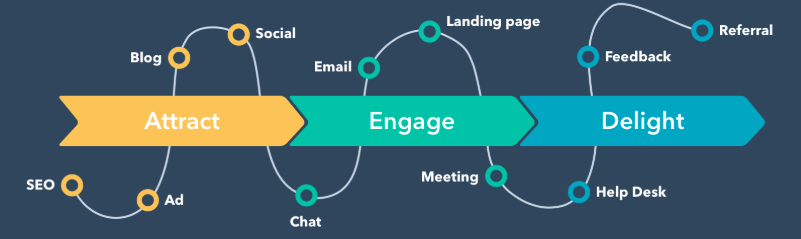
Every touchpoint your prospect hits — your blog, your social posts, your emails, your ads — is a data signal. Your CRM connects the dots so you know exactly where someone is and what they need next.
Use lists to segment your database
Lists are a great way to isolate segments of your database by any data point you hold. They can be contact-based (who they are), company-based (where they work), or activity-based (what they’re doing) — and they can update in real time as data changes.
In minutes, you can build a list of all contacts in the third month of their current contract. Would they benefit from a useful upsell? How about targeting every prospect who’s visited your pricing page more than once in the last 30 days by sending them a discount code?
The same messaging isn’t going to work on both those groups. But with a small amount of thought, each will get messaging they’re likely to welcome — because it solves a specific problem they have.
Contextualise
Every buyer must pass through three key stages: Awareness, Consideration, and Decision.
But depending on your product or service, those stages vary dramatically. A thirsty person on a hot day travels from Awareness to Decision in minutes. A Project Manager evaluating new forecasting software for a global business? That journey could take months.
What remains consistent throughout: consumers need stage-specific content before they can make a decision.
Think about it — before a Project Manager even becomes aware your software exists, they first need to recognise they have a problem. Then, with a problem to solve, they’ll look for solutions. Then they’ll evaluate options. Only then are they ready to decide.
Consider how content can be created for each stage of the journey:
Awareness: Blog — “Why Project Managers never have enough hours in the day”
Consideration: Guide — “10 ways to become a more effective Project Manager”
Decision: Case study — “Why Company X chose our technology to solve their forecasting problem”
Like you wouldn’t propose marriage on a first date, don’t bombard a prospect with technical data when they’ve only just discovered they have a problem. Keep sending well-timed, useful pieces of information — like a small trail of breadcrumbs that draws the buyer in, rather than forcing your product on them too soon.
Use Smart Content to contextualise your messaging at scale
Smart content allows you to create different content based on a set of rules. Your emails, landing pages, and CTAs can display differently depending on what is known about a prospect. Rather than manually sending context-specific content, you can adapt your pages to react to their needs automatically — showing Awareness, Consideration, or Decision-related content depending on where they are in the buyer’s journey.
By understanding which prospects need to see your messaging, you reduce admin, boost conversion rates, and drive more revenue with less effort.
Personalise
Yes, you can personalise sales messaging based on any standard or custom data point in your CRM. But effective personalisation doesn’t just mean greeting somebody by their first name in an email. That may have been impressive fifteen years ago, but today’s consumer is both tech and data-savvy.
Modern personalisation means sending relevant messaging in a timely fashion using the right language, tone, and subject matter.
Imagine receiving an email four weeks before your company-wide HR software comes up for renewal — a timely message specific to your exact HR challenge. Or imagine you’ve just started a small business in the last six months, and you receive a message about the perils of missing your first tax return deadline.
You want your prospects to feel a sense of serendipity. They’ll feel a genuine connection with your brand because the message arrived exactly when they needed it.
Where contextualising ends and personalisation starts can be a grey area, so think of it this way:
- Segmentation — To whom do we want to speak?
- Contextualisation — What are we going to say?
- Personalisation — How are we going to say it?
Contextualisation ensures you don’t torpedo a conversion by going too hard too soon. Personalisation ensures the prospect feels you’re speaking directly to them at the moment they’re most likely to want to hear your message.
Use custom properties to gather business-specific information on your leads
Your CRM comes ready-packed with a host of data points — from names and addresses right through to email engagement history. But because a CRM has to cater for everything from SaaS consultancies to animal feed suppliers, there are limits to what’s built in by default.
With custom properties, you can build bespoke data points specific to your business needs. The more relevant data you collect, the more targeted and personal your marketing can be.
Your CRM Is Your Growth Engine
As long as you keep your CRM data clean and easy to access, you’ll be able to drive more sales and delight more customers.
Segmenting your audience means you can narrow down exactly which groups of prospects you want to target, ensuring the right message reaches the right people.
Contextualising your messaging by matching it to a specific point in your prospect’s journey allows you to boost funnel conversions at every stage.
Personalising your messaging means treating your prospects as real people — so they trust and respect your brand.
The CRM Triggers That Power Hyper-Personalised Communications
Your CRM is packed with useful demographic data you can use to personalise your communications. But using activity and engagement data to send out timely messaging could be the difference between a decent email and one that feels like it was written just for them.
Use page tracking to provide individual recommendations By knowing which pages a contact has visited, you can offer specific recommendations tailored to their interests — think of it like remarketing, but for email.
Use deal stages to trigger customised messages Tailor your messaging to prospects depending on exactly where they are in the buying journey. Answer the questions buyers have at the right time, not before and not after.
Use known dates to trigger personal messaging A birthday email. A renewal reminder. An anniversary message. These timely touchpoints build genuine connection using information your prospect already gave you.
Use workflows to align with buyers in real time Delay actions until a contact responds or performs an action — like visiting a web page or completing a form. This way, you reach buyers when they’re already engaged, not just when it’s convenient for you.
Applying any or all of these ideas will drive more revenue through your business in a sustainable, cost-effective way. By sending the right message to the right people at the right time, you build deeply personal campaigns at scale — and turn your CRM into the growth engine it was always meant to be.